

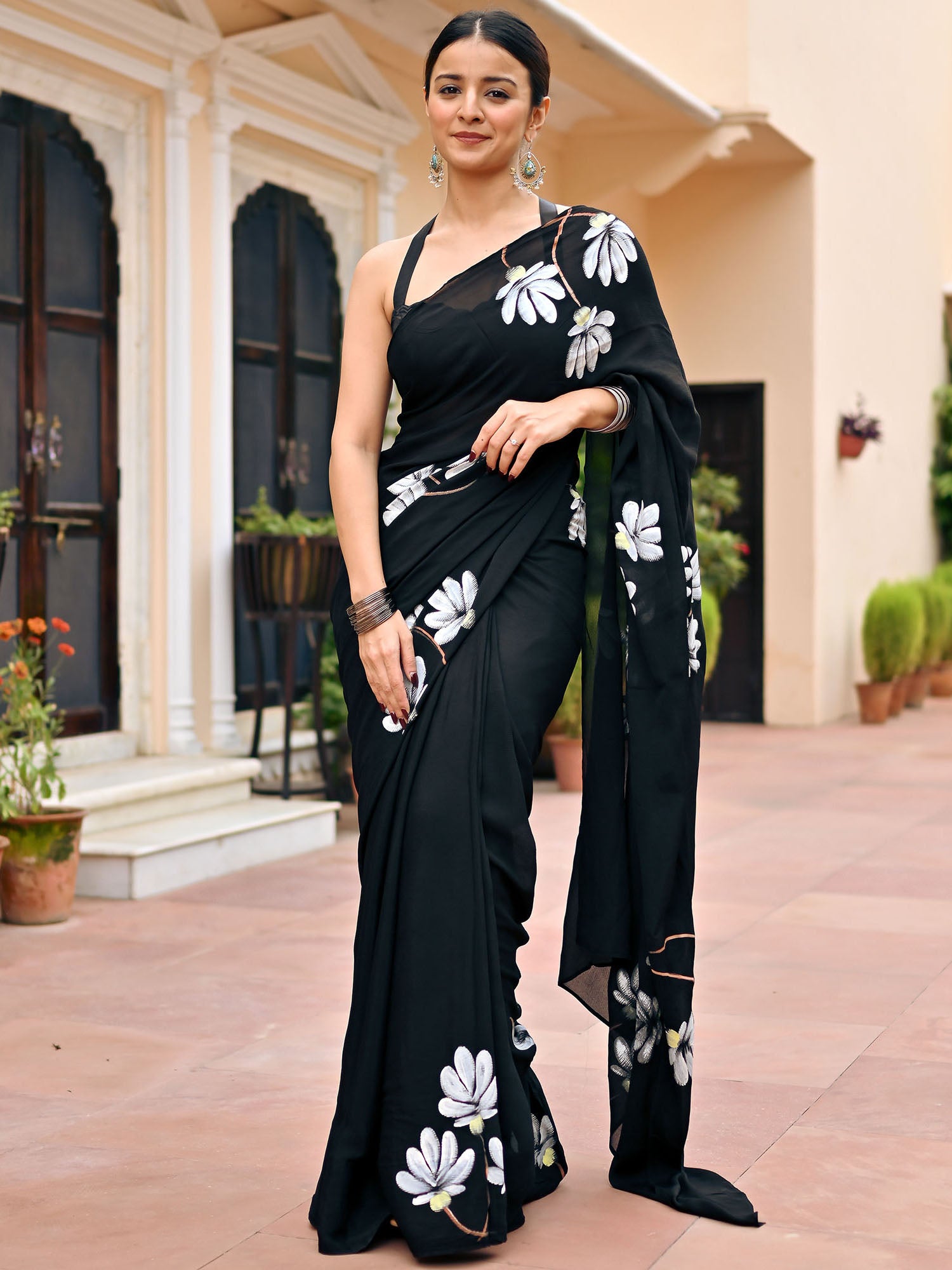
Sustainable Sarees key features
following sustainable sarees features are: –
1. SUSTAINABLE MATERIAL WITH ECO – FRIENDLY MATERIAL
- ORGANIC COTTON, AHIMSA SILK , HEMP,
- BAMBOOBIODEGRADABLE AND RENEWABLE MATERIAL
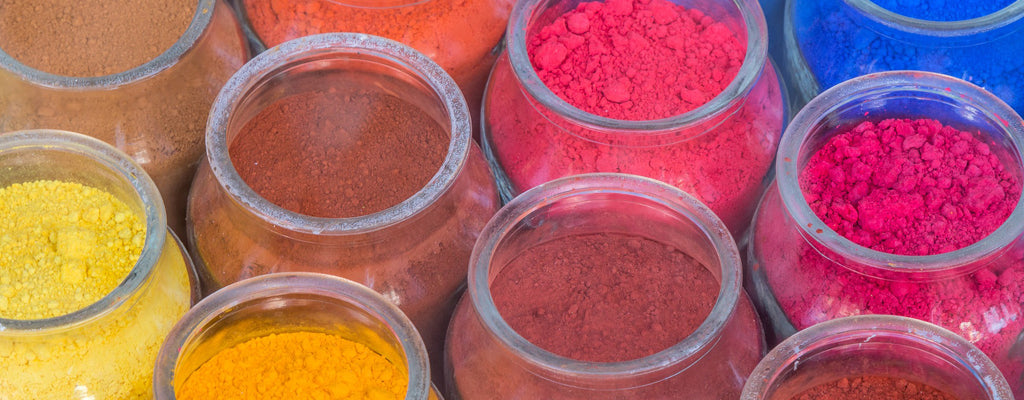
2. Sustainable material with NATURAL OR LOW IMPACT DYE
- Based on plant dyes- e.g, indigo and turmeric .
- you can reduced water and energy consumption during dying.
3. HANDWOVEN OR HANDLOOM PRODUCTION
- It supports traditional weaving community
- it produce footprint compared to power loom manufacturing.
- it also promote cultural heritage
4.FAIR TRADE & ETHICAL LABOUR
- it also offers women led cooperatives or rural employees
- it also has no child labour or exploitation.

5. MINIMAL WASTE &CIRCLULAR PRATICES
- It produces zero waste design techinque or upcycle method
- it reduce of textile scraps for accesories.
- it often produced in small batches to aviod overproduction.
6. ENERGY USAGE OR LOW ENERGY
- it is a efficent water system in dyeing and processing
- it often solar powered or low- energy production facilities.

7. RECYCLABLE or COMPOSTABLE PACKAGING
- it removes plastic free, biodegradable packaging material
- it use of recycled paper ,fabric wraps or jute bag.

8. TIMELESS DESIGN & DURABILITY
- It emphasis on classic aesthetics over fast- charging
- it also emphasis high quality craftmanship for longer garment life.
- it encourages slow fashion and mindful consumption.
What Makes a Saree Sustainable?
Sustainable sarees are also crafted using eco-friendly materials , ethical processes, and low-impact dyes, and it supports both the environment and artisan community .Those sarees are more than fashion and they are also a stories of tradition .Sustainable Sarees are also Embracing Eco-Friendly Fabric in Traditional Attire
In an age of changing fashion and environmental urgency India was the most enduring garment in the saree is being reimagined through the lens of sustainability & a growing movement of designers, and consumers are reviving the six-yard wonder with eco-friendly fabrics.
What is a Sustainable Saree?
- A sustainable saree is not just a garment it is a philosophy. It is done by :-
- it also minimizing environmental harm
- it also maximizing artisan welfare
- it also Promotes cultural preservation.
Fabric Choices That Respect Nature
The choice of fabric is foundational. Sustainable sarees often feature:
- Organic Cotton: it is Grown without pesticide and requires very few water
- Linen & Hemp: it is done Naturally pest-resistant.
- Banana & Bamboo Fibers: it is Innovative, plant-based options with a luxurious feel
- Upcycled Fabrics: it is Repurposed from old garments or textile waste.

Each of the fabrics lowers the fashion industry’s ecological footprint making them ideal for conscious clothing.
A Return to Natural Dyes
A Conventional textile dyeing is done by many polluting stages in garment production. Sustainable sarees use:
- Plant-Based Dyes: it is Derived from turmeric, neem, pomegranate, indigo, etc.

- Azo-Free or Low-Impact Dyes: it is Safer for human skin and water bodies
- Hand Dyeing Techniques: It Minimizes machine-based energy use
- It ensures not just environmental safety but a unique and earthy palette that makes each saree one-of-a-kind.
Supporting Artisan Communities
Sustainable sarees empowers rural weavers and revive dying crafts:
- Handloom Weaving: it Uses no electricity, and keeping carbon emissions low
- Traditional Embroidery and Prints: it Includes Kantha, Bandhani, Kalamkari
- Fair Wages or a Ethical Labor: sustainable saree labels directly partner with cooperatives
- purchase helps preserve generations-old heritage and supports a slow, ethical economy.
The Circular Journey
A sustainable saree often exists within a circular fashion system:
- It is Made with zero-waste patterning
- It is Packaged in recyclable or compostable materials
- It Offered with repair, reuse, or saree-upcycling services
- It is passed down generations or resold in vintage stores
This contrasts sharply with charging fashion where clothing is discarded after a few uses.
Why Sustainable Sarees Matters?
The fashion industry is a second-largest polluter globally. As climate change intensifies, consumers are seeking alternatives that:
- It Reduce carbon emissions
- It Conserves natural resources
- It also Promotes ethical consumption
The sarees are already sustainable by design, becomes even relevant when reimagined with eco-conscious innovations.
Blending Style with Sustainable sarees?
Sustainble sarees are on atheistic they are following examples :-
- They are Elegant
- They are Timeless
- They are Durable
Modern in styling with traditional roots
From a eco-friendly bridal sarees to minimalistic office wear, there is a sustainable option for such occasion.
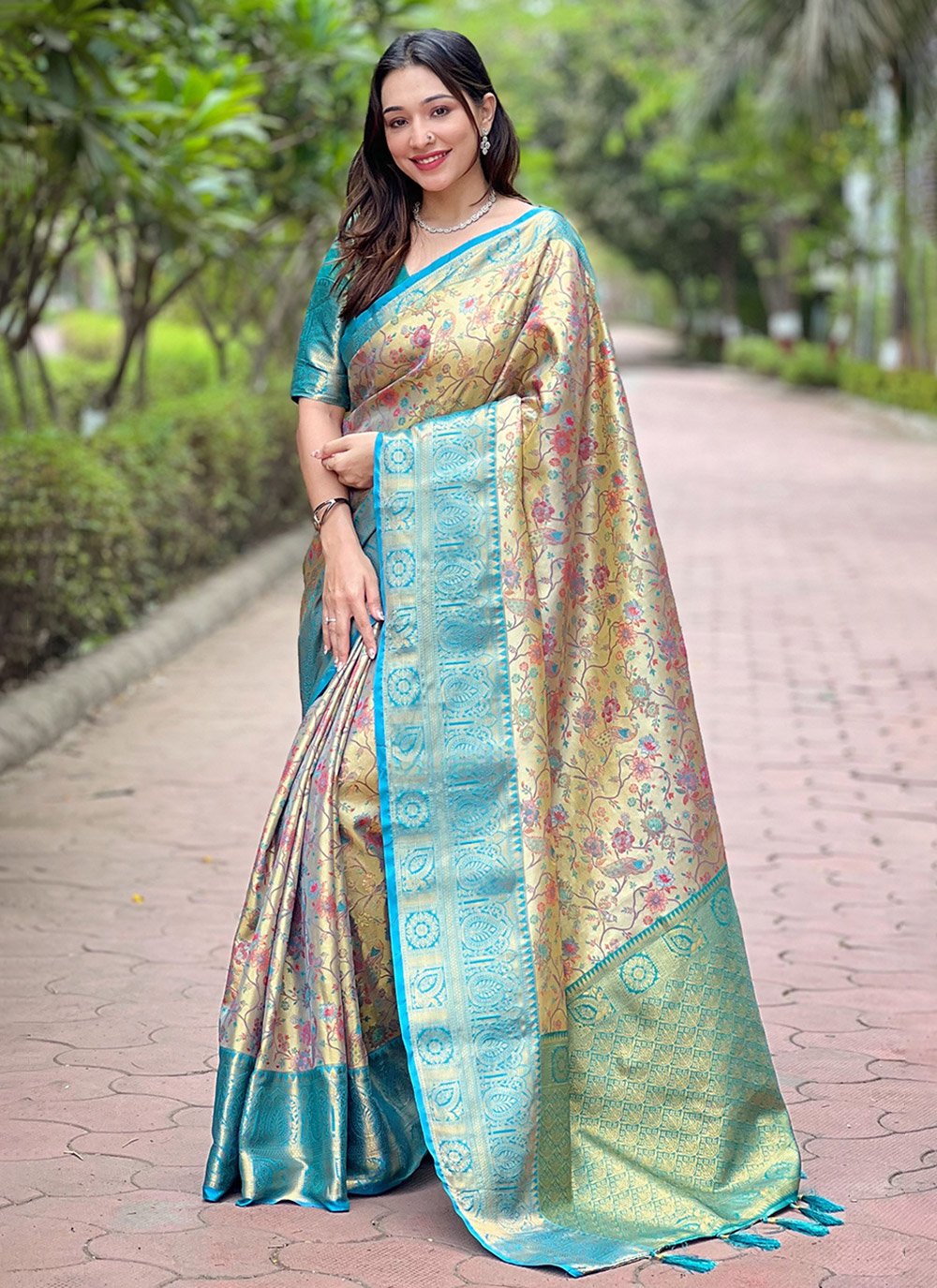
Why It Matters ?
- It Reduces carbon and water footprint
- it Empowers rural and women artisans
- It Encourages mindful consumption
- it Promotes longevity and timeless style
The Future of Sarees is Green
If you wear a sustainable saree it is a graceful step toward a greener planet and It honors India’s textile legacy while embrace innovation in eco-conscious design. Whether you are dressing up for a festive occasion or a mindful wedding, a sustainable saree & lets you celebrate in style — with purpose.

Leave a Comment