

Introduction of timeless elegance of saree
In this blog we are taking about Timeless Elegance of Sarees and a comprehensive and elegance guide to style and fabric about sarees .The saree is not just a garment cultural symbol, a statement of identity, and an embodiment of elegance . It orginiate from Indian subcontinent the saree has transcended centuries and borders and adapt to modern taste while preserving its timeless charm. We have comprehensive guide highlighting various saree styles, regional drapes, and popular fabrics :
I. Timeless elegance of saree as a significance
- Cultural heritage: It is worn across India, Sri Lanka, Bangladesh, and Nepal and the saree represents tradition, femininity, and celebration.
- Versatility: it is suitable for weddings, festivals, office wear, casual outings. It have even red carpets.
- Symbol of grace: it embraces all body type and ages and it enhances natural poise of the wearer.
II. Popular Saree Draping Styles Across other Regions of Timeless elegance in sarees
1. Nivi Drape (Andhra Pradesh)
- It is most commonly worn in style.
- Pleats are tucked in front and the pallu is draped over left shoulder.
- It is easy to wear and suitable for all the occasions
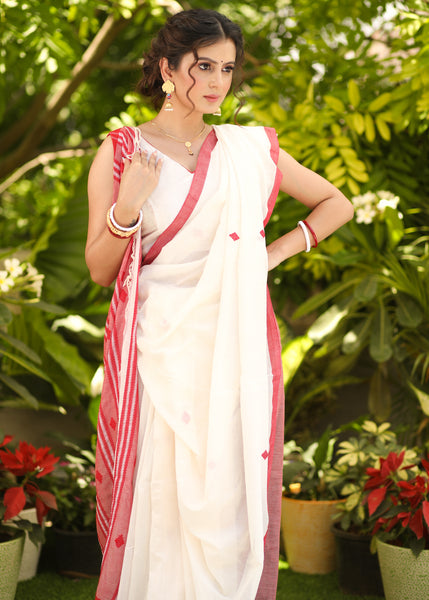
2. Bengali Drape (West Bengal)
- It is features with broad pleats and a pallu is wrapped around the body and thrown in both shoulders.
- It is often worn without pleats at the waist.
- Traditionally it is worn with keys tied at the end of pallu
3. Maharashtrian Nauvari
- It is worn like a dhoti or without a petticoat, and it is traditionally by women warriors and dancers.
- It is commonly worn during religious festivals and even in classical dance performances.

4. Gujarati style
- The pallu will comes back over the right shoulder and spread across the front.
- It is Common in weddings and festive settings in Gujarat and Rajasthan.
5. Coorgi Drape (Karnataka)
- It has pallu is wrapped under the left shoulder and also secured over the right shoulder.
- It is tied with a belt at the waist and it is practical and elegant.
6. Madisar (Tamil Nadu and Kerala Brahmin Communities)
- It is typically worn in married Brahmin women.
- It combines the look of a saree and dhoti, usually in 9-yard length.

III. Traditional and Modern Saree Styles of Timeless elegance in sarees
1. Banarasi Saree (Uttar Pradesh)
- Known for: Luxurious silk, gold and silver brocade (zari), intricate motifs.
- Ideal for: Weddings, bridal wear or festivals.
- Features are Mughal-inspired floral and foliate patterns.
2. Kanjeevaram Saree (Tamil Nadu)
- It is Made from High-quality mulberry silk.
- It is Known for Vibrant colors, temple borders or contrasted pallu.
- It is Heavily favored for bridal trousseaus in South India.
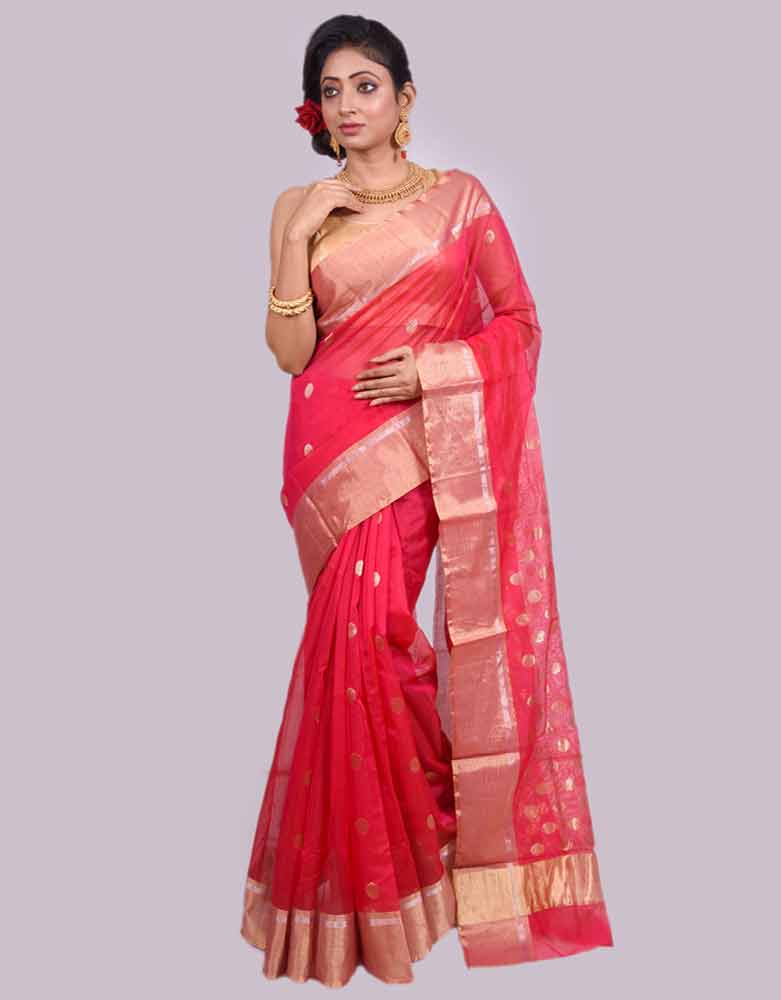
3. Chanderi Saree (Madhya Pradesh)
- Fabric are Silk, cotton, or a mix.
- It is Known for Sheer texture, light weight, glossy finish.
- It has Great for formal events and summer wear.
4. Bandhani Saree ((Rajasthan and Gujarat)
- It has Tie & dye technique that produces vibrant patterns.
- It has often found in red, yellow, and green.
- It is Ideal for traditional and festive wear.
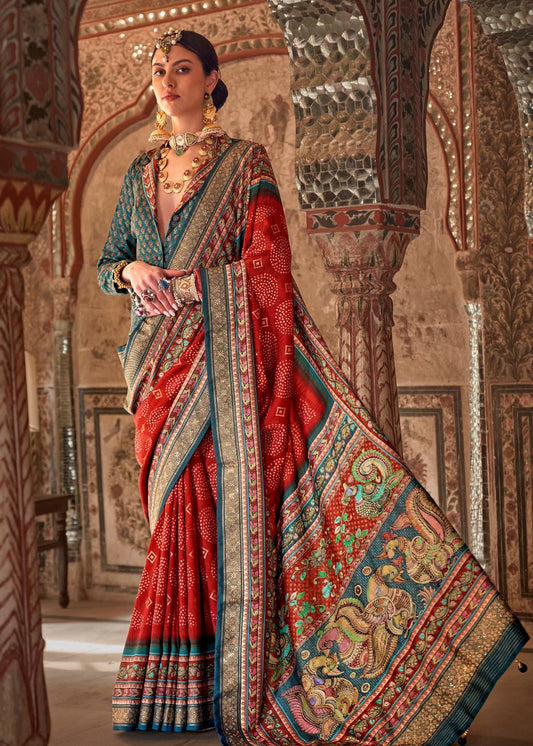
5. Paithani Saree (Maharashtra)
- It is Woven from fine silk with rich zari work.
- Features are motifs like peacocks or lotuses, and parrots.
- it is Passed down through generations as heirlooms.
6. Tant Saree (West Bengal)
- It has Lightweight and starched cotton sarees ideal for daily wear.
- Features are wide borders and artistic motifs.
- Breathable and suited for humid climate.

7. Pochampally Saree (Telangana)
- It is Known for Ikat dyeing technique.
- It has Geometric patterns and bold colors which define its appeal.
- It has Durable and modern-looking despite its traditional roots.

8. Patola Saree (Gujarat)
- It is Made with the double ikat technique where it both warp and weft and are resist-dyed before weaving.
- It is known for symmetrical geometric patterns and bright colors.
- It has often considered a luxury due to the complexity and time required for production.

9. Baluchari Saree (West Bengal)
- It is woven in silk with mythological scenes & often from Ramayana or Mahabharata on the pallu.
- Features are fine artistry and storytelling through weave.
- Popular in festive and traditional ceremonies or any special occasion.
10. Kasavu Saree (Kerala)
- it has white or off-white with golden zari borders.
- Traditionally ,it is worn by Onam and weddings.
- Embodies simplicity and elegance typically made for handwoven cotton or silk.
IV. Popular Saree Fabrics and Their Unique Appeal
1. Silk
- The most luxurious and diverse fabric used for sarees.
- Subtypes include Kanjeevaram, Tussar, Banarasi, and Mysore silk.
- Offers a rich sheen, perfect for weddings and formal occasions.

2. Cotton
- Breathable, lightweight, and ideal for everyday wear, especially in hot climates.
- Common in Tant, Chanderi, and Kota Doria sarees.
- May require more frequent ironing but delivers maximum comfort.

3. Georgette
- A lightweight, semi-sheer fabric that drapes well and hugs the body.
- Popular for party wear and modern styles.
- Allows ease of movement and graceful fall

4. Crepe
- Has a slightly crinkled texture and excellent drape.
- Often used in designer and formal sarees.
- Suitable for contemporary looks with minimalist detailing.
5. Chiffon
- Very light, sheer, and soft fabric.
- Gives a flowing, delicate look.
- Ideal for slim silhouettes and effortless elegance.
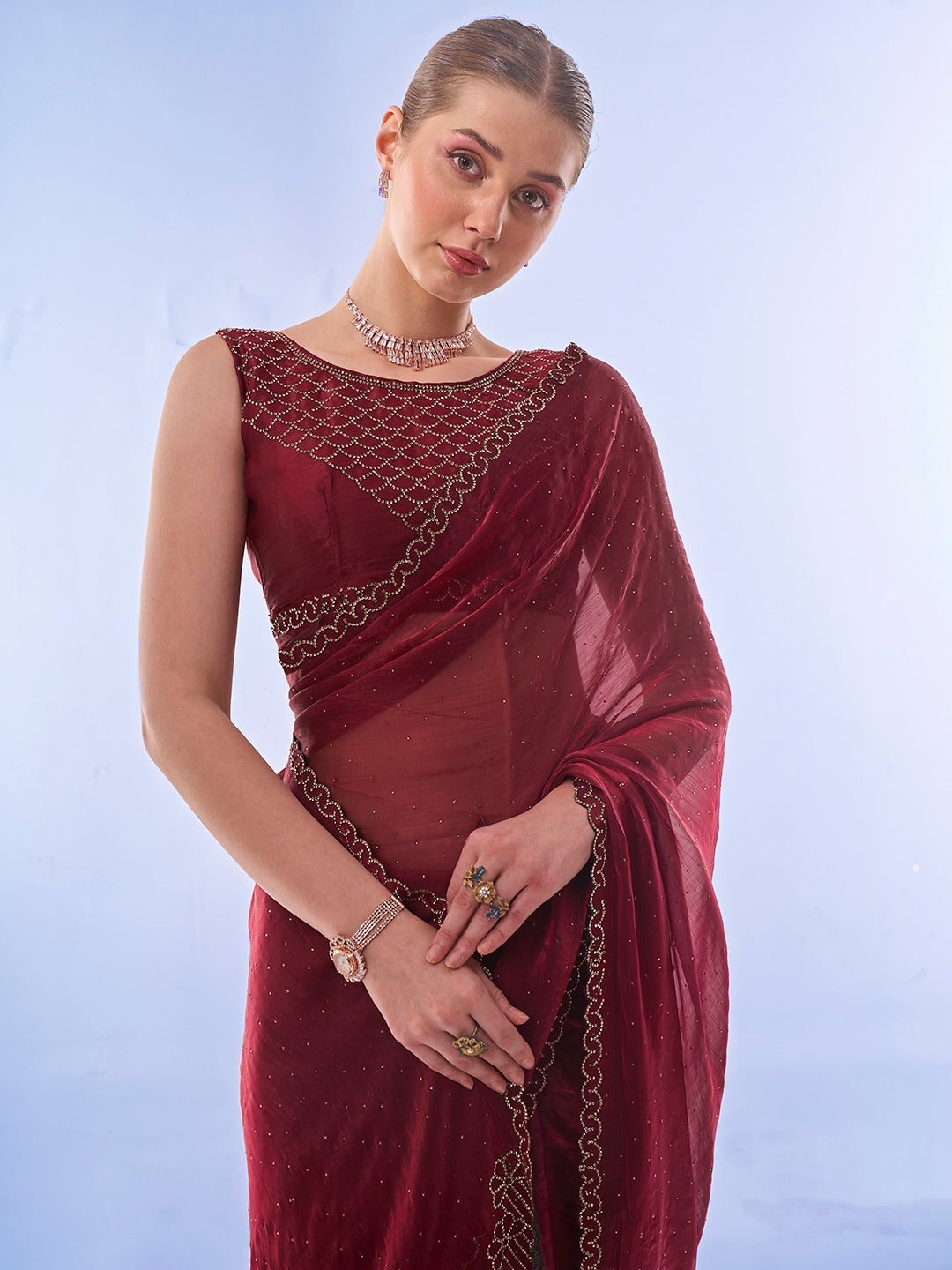
6. Net
- Transparent and often embroidered or embellished.
- Perfect for glamorous events, receptions, and cocktail parties.
- Commonly worn with sequins, lace, and designer blouses.

7. Linen
- Offers a structured, elegant fall with breathable comfort.
- Increasingly popular for office wear and summer events.
- Seen in soft pastel shades and minimalistic prints.

V. Contemporary Trends in Saree Fashion
- Fusion styles: Sarees paired with crop tops, jackets, belts, or sneakers for a bold, modern look.
- Pre-stitched sarees: For ease of wear, especially among younger generations or non-Indian wearers.
- Saree gowns: Combining the elegance of sarees with the structure of evening gowns.
- Sustainable sarees: Increasing demand for organic cotton, plant-based dyes, and handloom products.
- Designer labels: Indian and international designers are reinventing the saree with bold prints, new fabrics, and runway-worthy drapes.
VI. Sarees in Global Fashion
- Sarees have walked global fashion ramps, red carpets, and film festivals.
- Celebrities like Priyanka Chopra, Deepika Padukone, and even international stars like Gigi Hadid have embraced the saree.
- The saree is now viewed as a global fashion statement, not just ethnic attire.
VII. Choosing the Right Saree: Tips
- Occasion matters: Opt for silk and zari sarees for weddings, cotton for daily wear, and chiffon/georgette for parties.
- Body type: Heavier fabrics like silk add volume, while lighter ones like chiffon flatter slimmer frames.
- Seasonal choice: Cotton and linen are ideal for summers; silk and velvet are better suited for winters.
- Color preferences: Deep colors like maroon, navy, and emerald are classic; pastels and neutrals are great for daytime or modern looks.
- Accessories: Statement jewelry, a matching blouse, and the right draping style enhance the saree’s impact.
Conclusion of Timeless elegance of saree
The saree is not just a piece of clothing—it’s a living tradition, reflecting centuries of craftsmanship, diversity, and artistry. Whether handwoven in a rural village or designed for a fashion week runway, sarees remain as relevant toda
y as ever before. With endless options in fabric, style, and draping techniques, the saree continues to empower women, honor heritage, and inspire fashion innovation around the world.

Leave a Comment